


More Courts Should Provide ‘CART’ Real-Time Video Transcription Services
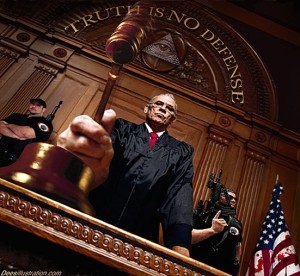
More Courtrooms Need CART Video Transcription Systems
CART systems have been around for many years and have long been recognized by the federal government as a “reasonable accommodation” under the Americans with Disabilities Act (ADA). So it’s disappointing and a little surprising that CART service isn’t yet a standard accommodation for hard-of-hearing people called to jury duty. Read more
Congressman Markey Demands Internet-Video Captions For Hard-Of-Hearing Web Surfers
Democratic US Rep. Ed Markey of Massachusetts is backing a bill that would require major producers of web videos to provide captioning, a piece of legislation that provides many other benefits for people with hearing, vision and other disabilities. Read more
More Good News From WGBH NCAM: Easy Captions For Adobe Flash Videos
While I’m going on about WGBH NCAM’s web video captioning success with its industry-wide coalition, I should also mention their recent introduction of a software utility that makes it easy to create captioned Adobe Flash videos. Read more
AOL, Google, Microsoft, Yahoo! Collaborate On Web Video Captioning
There’s some GREAT news in the captioning world this week from the National Center for Accessible Media (NCAM) at WGBH, the public broadcasting station in Boston. AOL, Google, Microsoft and Yahoo have agreed to collaborate with NCAM to establish and manage a new International Captioning Forum to set standards for captioning on any kind of video presented on the Web. Read more
CapTel Captioned Telephone Service Finally Gets A Hearing In Massachusetts
Since I last wrote about CapTel captioned telephone service, a dozen additional states have started offering this vital lifeline for hard-of-hearing consumers. To my chagrin, my home state of Massachusetts now is one of only six states in the union that have not approved it. Read more
Let’s Boycott Super Bowl Advertisers Who Don’t Supply Captions
What do BlockBuster, Burger King, Kentucky Fried Chicken and Expedia.com have in common? Their Super Bowl ads this year didn’t have captions. They must not want our business. Captionless ads have been bothering me ever since I began noticing how many advertisers don’t supply them, even after the first of the year when the FCC began requiring broadcasters to caption all their regular programming. The number of captionless ads on SuperBowl XL was especially disappointing. Read more
I’m Still Waiting For CapTel Captioned Telephone Service In Massachusetts
Last night I finally got some answers to my questions about why CapTel service still isn’t available in my home state of Massachusetts, even after 35 other states have gotten the captioned telephone service up and running. Read more
CapTel Phone Captioning Now Available In 32 States
I’m still a CapTel wannabee. With Sprint Nextel’s recent announcement of the addition of CapTel Relay Service in New Hampshire, the real-time telephone captioning service is now available in 32 states. It’s also available to current and retired federal employees including military veterans, as well as to U.S. tribal members. But it’s not available in Massachusetts, where I live. Read more